
I moved to Toronto brimming with ambition. The skyline called—glass towers glistening over Lake Ontario, streetcar bells, the hum of growth. I believed Toronto was the place where dreams lived.
But somewhere between lease renewal and the next utility bill, I realised: my dream was being eaten.

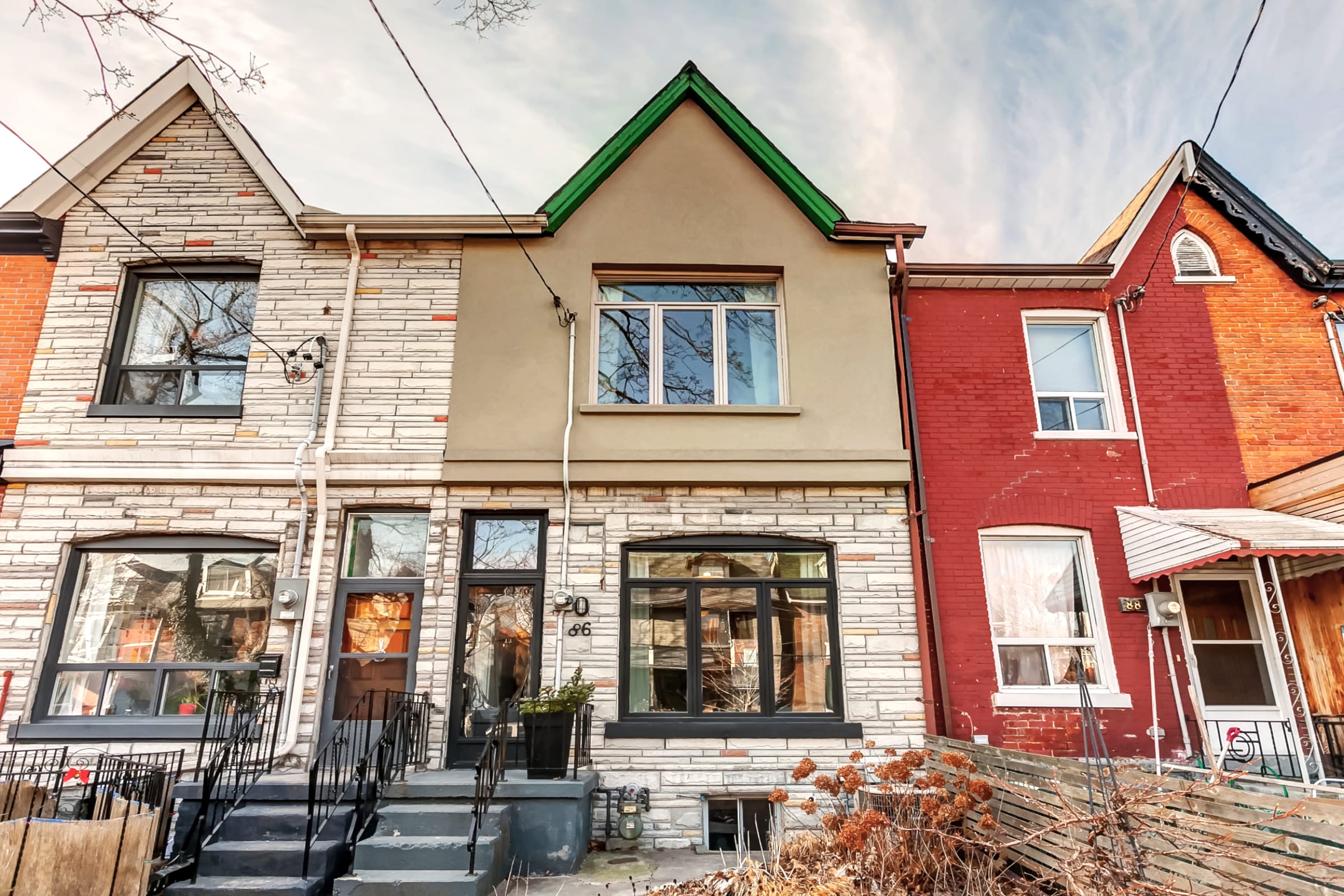
According to recent data, the average monthly rent for an unfurnished one-bedroom apartment in Toronto was about C$ 2,149 in January 2025, a drop of C$120 from the year before. liv.rent In June 2025 it had slid to around C$ 2,078. liv.rent+2liv.rent+2 Even though the price appears to soften, for many the cost is still steep.
When I signed the lease, I paid an amount that left me calculating for weeks: “Can I still save? Travel? Write full-time? Breathe?” The numbers didn’t always leave room for the extras that once made life feel full.
How the cost shows up in life
Rent isn’t just a line item. It shapes your rhythms, your choices, your energy.
I’d walk to a café in the Junction, order a latte, and catch myself thinking: “That’s a meal I skipped so I could afford this month’s rent.”
I started measuring weekends in terms of budget: free festivals or late-night bus rides instead of mini-getaways. I said “maybe next year” to friends’ weddings out of town.


It’s hard to escape the math. One article noted that to comfortably afford the average rent in downtown Toronto (~C$ 2,206/month), you’d need a minimum salary of about C$ 75,634 if you keep rent to ~35% of pre-tax income. Narcity That hits differently when you’re making maybe C$ 50–60K and watching your friends buy homes or move to suburbs while you’re still scraping for a one-bedroom in the city.
Understanding the broader picture
The thing is: this isn’t only my story. It’s part of a wider narrative.
The Toronto Regional Real Estate Board (TRREB) reported that in Q2 2025, average one-bedroom rents in the Greater Toronto Area dropped by about 5.1% year-over-year, to C$ 2,326. trreb.ca The decline didn’t necessarily signal easier lives for renters—rather it reflects shifts in the market supply, inflation, new builds, and changing demand.
And for two-bedrooms, the decrease was around 3.5%. trreb.ca
From the national statistician’s data: for two-bedroom apartments in the Toronto Census Metropolitan Area, average asking rents increased from C$ 2,560 in 2019 to C$ 2,690 in Q1 2025 — a 5.1% total increase — but then rents declined 5.6% year-over-year from Q1 2024 to Q1 2025. Statistics Canada
What does all of that mean? It means: The rent is high. It means: It may be slightly easing. But the baseline is still elevated.
And so structurally, the cost of living here isn’t just a monthly bill—it’s a threshold for living. It sets the bar for what success looks like in the city.
My day-to-day: dreams put on hold
I woke up one Thursday morning and looked at my calendar: a writing workshop I’d been excited about. Then I looked at my account: a hefty portion of it already reserved for rent. I cancelled the workshop. I told myself: “Better luck next time.”
That’s a micro-example of what happens when your rent eats your budget for possibility.

Because it wasn’t just the money. It was the feeling:
- The hesitation when friends invite you out and you say “can’t really afford it”.
- The quiet frustration when you find your dream room but it’s moved just out of reach.
- The slow surrendering of “I’ll travel this year” into “Maybe next year”.
In one conversation with a friend working in tech, she said:
“I moved to Toronto because I thought I’d get found. Instead I feel found out—financially.”
It stuck with me because I knew what she meant. Toronto promises access; but when the rent is high, access sometimes means survival.
The human cost behind the numbers
It’s easy to see average rent statistics and feel detached: “That’s interesting.” But behind each number there’s a human reality.
A young immigrant worker—new to Canada—taking a room in a basement, working two part-time jobs just to make rent and eat.
A creative professional—writing poetry between overtime shifts—watching peers buy homes while she still moves every year, another lease, another box.
A recent graduate—leaving university with debt—entering the workforce, only to find the first hurdle is simply living here.

According to data from Statistics Canada, average asking rents in Toronto’s CMA dropped by 5.6% year-over-year in Q1 2025. Statistics Canada But a drop doesn’t always translate into relief when the starting point is so high.
When you’re paying over C$ 2,000/month just to rent a one-bedroom, the leftover margin for savings, creative endeavours, travel, or slow immersion into the city is minimal. You live in a state of “just managing”.
The shift: reclaiming agency
One Sunday afternoon, I sat on the small balcony of my apartment overlooking Bloor Street. The traffic below, the pedestrian flow, the iconic skyline—but I felt a quiet shift inside: I would not let the rent swallow every dream.
So I started renegotiating my life—without giving up on the city.
- I committed to writing each morning before work—even if for 30 minutes, it reminded me who I was beyond tenant.
- I carved out free or low-cost pleasures: sunset walks along the lakeshore, public library writer sessions, community festivals in Trinity-Bellwoods.
- I accepted that yes, I might not own a condo yet—but I could still build a creative life.


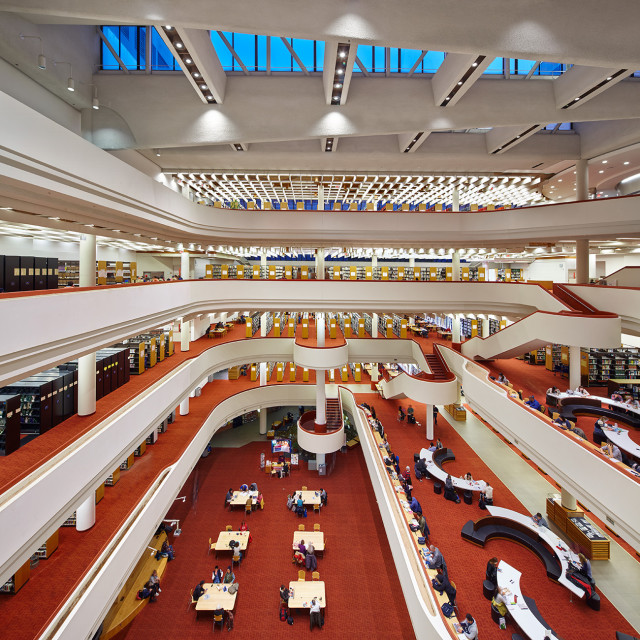
In doing that, I realised: the city didn’t shrink just because rent was high. The city still offered moments of vastness—if you leaned into them.
And statistically, it’s not all doom. The rental market is showing signs of cooling, slightly. Which means maybe there’s room to breathe. For example: According to the Canadian Mortgage and Housing Corporation (CMHC) 2025 mid-year update, advertised rents in major CMAs like Toronto declined between 2% and 8% during early 2025. cmhc-schl.gc.ca
But here’s the caveat: Decline does not necessarily mean “easy”. It means “less steep”. It means “maybe we fight for margin again”.
Why the rent remains a drag on dreams
So why does rent still feel like it’s eating my dreams—even when the numbers move downward?
- High baseline – The fact that average rents are around C$2,000+ means you’re already starting from a steep position. Apartments.com+1
- Other costs rising – Utilities, transit, groceries—all creeping up. When rent gobbles a large chunk of budget, the rest squeaks by.
- Dream costs – Dream doesn’t come free: The workshop you skipped, the travel you postponed, the extra savings you could’ve invested—all become invisible opportunity costs.
- Psychological toll – It’s not just the money. It’s the feeling of always being a step behind. Of saying “next year” so often that you forget what this year might have looked like.
- Structural nature – The city grows; demand remains; supply is constrained in venues. Even if rents fall slightly, the cost of living remains comparatively high versus incomes and other cities.
Consider the affordability rule: If your rent is taking ~30-35% of your income, you’re in the usual “safe” zone. But if you’re paying C$ 2,100/month, that implies you’d need an income of ~C$ 72,000–C$ 84,000 to keep in that zone. For many, that’s above the starting salary for their field. Narcity
I looked around at my peers. Some had relocated to smaller cities. Some had doubled up on roommates. Some had changed career tracks to “just make more”. But a few of us stayed—leaning into the dream of Toronto—but changed how we shaped our lives.
How to live with rent, not under rent
If you’re reading this because you’re paying Toronto rent and your dreams feel squeezed, here are some reflections from someone in the same boat:
- Redefine the “gold standard”: Owning a condo isn’t the only measure of success. Writing consistently, creating community, having financial breathing room—that counts.
- Leverage what the city offers for free: Libraries, parks, waterfronts, community events. Toronto is rich in non-paywall experiences.
- Build around your values: For me, writing mattered. So I made writing non-negotiable—even if it meant fewer paid evenings out. That anchored me.
- Friend-up with budget-minded peers: When your social circle values experience over expense, you don’t feel “left behind” when you say no to that expensive venue.
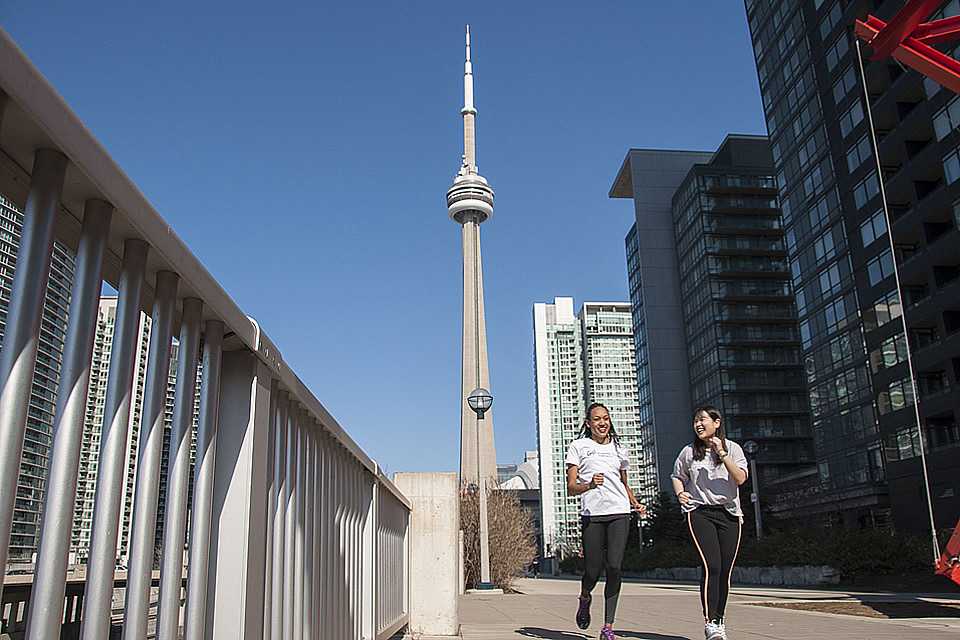
Of course, this isn’t to say that high rent is fine. It’s still a systemic challenge. But it’s possible to respond to the situation rather than feel consumed by it.
A hopeful closing note
If you’re here, reading this: you’re not alone. You’re part of this city’s large and quiet tension—between cost and possibility, moment and memory. And that tension? It can be fertile. It can push you to choose what matters. To craft something on your terms.
Because Toronto still holds promise. The skyline is still there. The streetcar still hums. The cafés still offer a moment. If rent is high, then we fight for more: more meaning, more community, more life. The numbers may feel heavy—but the human capacity behind them is heavier.
Rent may have eaten some of my dreams, but it did not digest them all.
