
If you’re a young professional weighing the idea of moving away from Toronto—even though damn, it’s tempting—you’re not alone. I get it. I’ve been there. The excitement of a vibrant city, big career dreams, late-night cafés, after-work drinks, endless networking, and the fear creeping in—“Will I ever afford my own space?” “Is this hustle worth the price of rent?” “Do I even have time to live, not just survive?” So, if you’re thinking: Maybe there’s somewhere else that gives me the buzz of Toronto without the gut-punch cost and commute stress, here’s a real-talk, slightly messy dive into why that might be right, and some alternatives you should seriously consider.
First: a bit of empathy, because moving is hard
Let’s start with what you’re probably going through. You left school (or maybe you didn’t, maybe you jumped right into work), you moved for opportunity, you told yourself “I’ll make it in Toronto” because of good jobs. Tech, media, finance, startups. The lot. And for a while, it feels good. You’re surrounded by people chasing similar dreams. Cafés, underground art shows, nightlife, transit that more or less works (sometimes). You feel alive.
But soon you notice the cracks. The rent for a one-bed is creeping into the “holy $#%!?” territory. Friendships become postcards because everyone’s busy. Commutes that were “manageable” become time-sucks. You look around and you think: Am I building something or just running in place?
And it’s okay to have those questions. Because yes—Toronto offers a lot. But it also asks a lot. And if you’re at that point where you want similar energy but less strain—less rent, more breathing room, maybe a bit more nature, maybe fewer hours commuting—then alternatives matter.
What are you really looking for?
Before we list places, let’s clarify what you might be looking for (or should be looking for), because not all “alternatives” are equal. Ask yourself:
Affordability: Can I afford to live with fewer compromises? Own a bit of space? Save a bit more?
Career / growth: Are there companies, jobs, industries where I can still move up? Or will I sacrifice long-term ambition?
Culture & lifestyle: I don’t want somewhere dead. I still want friends, cafés, maybe nightlife, maybe food, maybe parks.
Commute & transit: Time isn’t infinite. If I’m commuting 90 minutes each way, that’s three hours of life each day gone.
Community & belonging: Even in a “smaller” city, I want to feel like I fit—not a fish-out-of-water.
Nature / recreation / downtime: Because all work and no chill = burnout.
If you can pick a city that checks most of those boxes, you’ll feel the difference.
Why Toronto might not be the only answer
Here are some of the common frustrations people face in Toronto (so you know they’re real):
Housing cost: It’s insane. One-bedroom rents are through the roof. The cost of living keeps climbing. And if you’re young, maybe you’re earning—but maybe you’re not earning so much compared to your expenses.
“This has been on my mind for a while. Toronto is constantly ranked among the most expensive cities in North America … the average rent for a 1-bedroom is now around $2,500/month”
Feeling stretched: You might work for your city instead of in your city. Long commutes, late nights, Uber costs, transit delays—it all adds up.
Savings stagnation: You live, you pay rent, maybe you go out, maybe you save a tiny bit… but when do you start gaining ground?
Missing space: Maybe you want your own place. Maybe you want to live somewhere greener. Maybe you just want to breathe instead of constantly hustling.
Burnout risk: City pace is amazing—but it’s also draining. Weekends feel short. Nature feels far. The “always on” mode creeps in.
So when you say “alternatives to Toronto,” you’re not just saying “smaller city, cheaper rent” — you’re saying “I want strong career + better quality of life.” That’s valid. And possible. Let’s go through some cities that might give you that.
Top Alternatives to Consider
Here are some cities in Canada (yes, mostly Canada since you started with Toronto) that have potential for young professionals like you. Each with pros, cons, and a bit of lived-feeling.
1. Ottawa, Ontario



Why it works:
It’s the capital—jobs in government, tech initiatives, research—so stable growth.
“Culture + calm”: Museums, galleries, green spaces, but fewer of the hyper-chaotic hustle.
Cost of living is better than Toronto (though not cheap).
You might still get the “city feel” without the crushing weight of being the top city.
Potential downsides:
Nightlife & “edge” might not match downtown Toronto—if you crave the wild side, you may find it quieter.
Some industries are more “government/administration” heavy; if you’re in a niche startup field you might have to search harder.
My takeaway: If you’re craving “city energy but less stress,” Ottawa is a smart move.
2. Montreal, Quebec

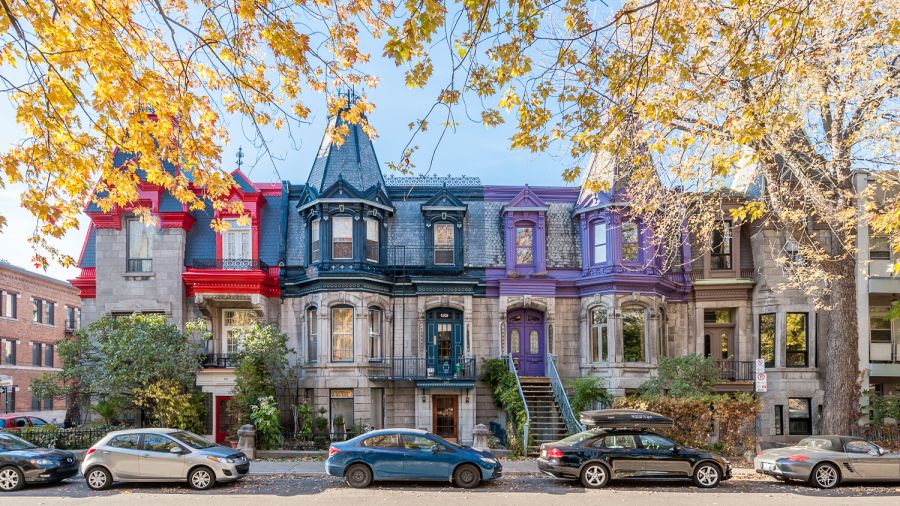
Why it works:
Rich culture, music, festivals. The vibe is alive.
Lower cost of living compared to Toronto (especially rent).
Industries: tech, digital media, design—so opportunities for young professionals.
Potential downsides:
If you don’t speak French, it may throw you a curve. While many professional roles are anglophone-friendly, the extra layer exists.
Winters are still long. And yes, some infrastructure hiccups.
My takeaway: If you’re open to bilingual (or willing to learn), this could be the “Toronto energy + affordability” combo. Big yes.
3. Calgary, Alberta


Why it works:
Strong job market in energy, tech, finance—so for career-minded folks, potential is real. ohmercanada.ca
More affordable housing than Toronto (especially if you expand your radius).
Being closer to nature: mountains, trails. If you like the outdoors, this adds a massive bonus.
Potential downsides:
The “big city” feeling is there—but maybe fewer of the mega international ‘buzz’ events you’d find in Toronto.
The job market, while broad, might not align with every niche.
My takeaway: If you’re career-driven, want affordability and nature, Calgary is a contender.
4. Kitchener Waterloo, Ontario



Why it works:
Tech hub vibes (think startups + innovation) and close enough to Toronto that you still feel connected
Lower cost of living than Toronto proper.
Potential downsides:
It’s smaller. If you’re used to Toronto’s scale, you might feel “less” options.
Movements & culture might still, in some ways, mirror small-city energy—not the full big city express lane.
My takeaway: If you want career growth, affordability, and don’t need every single big-city extravaganza, Kitchener-Waterloo hits a sweet spot.
5. Halifax, Nova Scotia

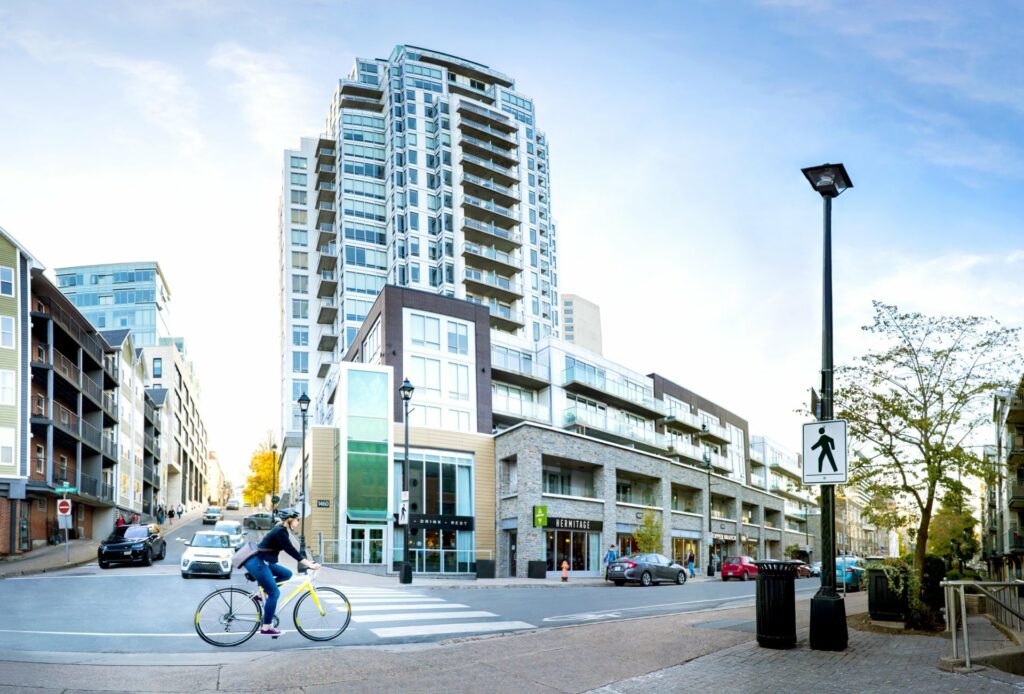

Why it works:
Coastal, pretty, slower-paced—but still vibrant.
Affordability relative to Toronto.
Smaller city feel, which some young pros actually prefer (fewer commuter hours, more accessible neighbourhoods).
Potential downsides:
If you are used to 24/7 big-city hustle, some weeks might feel quieter than expected.
Job market is growing, but it may not have every niche or the depth of Toronto’s market.
My takeaway: Great for someone looking for life as well as work. If you want more balance and slightly less intensity—this is it.
But… real-talk: it’s not just about the city
Choosing a city is only part of the equation. Because wherever you go, you bring you—your habits, your network, your goals. So consider:
What do I want 5 years from now? Not just next year. If you move, will this city let you grow or will it make you feel stagnant?
Industry + role fit: If your job is very niche (say, a rare tech stack or specialty consulting), will you find that in your new city? If you’re more flexible, you might have more movement.
Commute & living arrangements: Even “smaller” cities can have traffic/commute issues. If you work remote, that might change your criteria entirely.
Social network & community: You’ll likely leave some friends behind. Are you ready to build new ones? Are there scenes you’ll enjoy (co-working, meetups, sports, hobbies)?
Lifestyle trade-offs: Maybe you sacrifice one big city nightlife event for a local live-music scene. Maybe you trade long commute for a longer winter (if you move North). Be aware of the trade-offs—don’t pretend they don’t exist.
My messy asides (because I’ve lived it)
Here’s what I actually went through (so you know I’m not just quoting summaries):
I moved to Toronto fresh out of university. Big dreams. Time zones, hustle, the “if you can make it here…” feeling. I rented a small condo. I had roommates. I commuted. I spent Friday nights out, Saturday mornings hung-over, Sunday night planning the week ahead. It was alive. Truly.
But after a couple of years I noticed something: I wasn’t expanding—I was treading water. My rent ballooned. I barely saved. I was working all the time, commuting more than I wanted, and weekends felt like a blur of “recover → prep for Monday”. I started looking out the window at the condos, the skyline, and asking: “Do I want to be here in five years?” I realized I wanted a bit more freedom—to breathe, to own something, to have my space, to maybe start something of my own. I didn’t want to hustle all the time for rent.
So I looked at alternatives. I asked friends, I searched forums, I stumbled on posts like:And I thought: okay. The challenge was emotional too. Would moving feel like giving up? Would I lose something? But I realized staying just because “this is supposed to be the place” was more of a trap than leaving. So I moved to a city like Ottawa. Different rhythm. Same ambition. Lower cost. I found weekday evenings felt a little lighter. I found a small apartment I could afford. I found more weekend for me. And career still ticked.
Not perfect. I still miss some Toronto rituals. But I didn’t want perfect, I wanted liveable and fulfilling. And that made all the difference.
How to choose your best “alternative”
Here’s a quick checklist you can run through (feel free to adapt):
Define your non-negotiables (e.g., “I need strong tech jobs”, “I want walkable downtown”, “I want under 45-minute commute”).
Define your trade-offs (e.g., “I accept smaller nightlife”, “I accept colder winter”, “I’ll commute 60 mins to save money”).
Research cities against those criteria (use articles, Reddit threads, personal visits).
Visit if you can: stay a weekend, walk around, talk to people who live/work there. Does it feel right?
Map your career path: Are there companies there you could work for? Are there networking events?
Crunch numbers: Rent, commute, cost of living, taxes, salary. Sometimes the “cheaper city” still costs more net after factoring salary drops.
Think long-game: 5 years, 10 years. Will this city allow you to grow, not just maintain?
My final word
If you’re feeling stuck in Toronto—not because you regret it, but because you’re ready for something else—you’re making a smart move by looking. And yes, leaving the “big city” sensation might feel risky. It might feel like stepping off a treadmill that everyone else is still running on. But remember: whether you stay or move, the decision should serve you, not the myth of the city.
Moving to an alternative doesn’t mean you’re settling. It means you’re choosing intentionally. Choosing freedom. Choosing growth. Maybe choosing more balance. And you know what? That might mean fewer late nights, fewer Uber rides, fewer sleepless “will I make rent next month” nights. It might mean more walks, more brunches with friends, more meaningful side-projects, more you time. That’s not less—it’s just different.
So yes: alternatives to Toronto exist. And for a young professional who’s ready for the next chapter, they might be exactly what you need. Whether you pick Ottawa, Montreal, Calgary, Kitchener-Waterloo, Halifax—or somewhere else entirely—make sure it’s a place you can wake up in and feel: “I’m glad I chose this.
